
Fifty years in Brazil, and what comes next
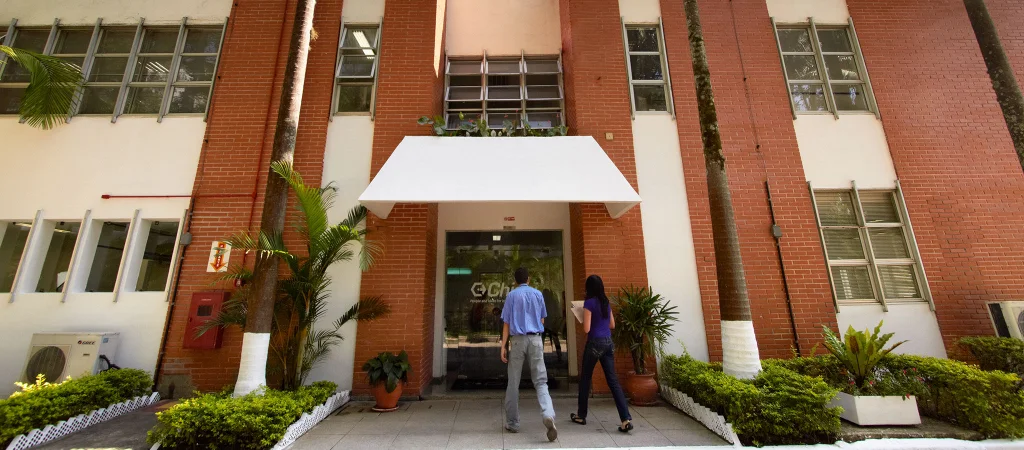
Fifty years ago, Brazil became the first place Chiesi set up outside Italy. Today, a factory near São Paulo is preparing for the company’s next transition: lower-carbon inhalers for people living with asthma and Chronic Obstructive Pulmonary Disease (COPD).
In 1976, scientists were becoming more certain about a quiet problem1. Chlorofluorocarbons (CFCs), the gases in everyday aerosol cans of hairspray, deodorant and paint, were drifting into the upper atmosphere and thinning the ozone layer. These gases were also used in medical inhalers.
That same year, Chiesi, a family-owned pharmaceutical company from Parma, took its first step outside Italy, to Brazil. It was the move that set the company on its international path.
The two stories have run side by side ever since. Inhalers moved from CFCs to hydrofluoroalkanes (HFAs) and Chiesi's manufacturing site near São Paulo began investing in that transition in 2007. That transition protected the ozone layer, but HFAs are still potent greenhouse gases. Fifty years after Chiesi arrived in Brazil, a second transition is taking a step further: the site is preparing to move its pressurized metered-dose inhalers (pMDIs) to a propellant with a low global warming potential (GWP)2.
"Brazil has played a unique role in shaping the company we are today," says Alberto Chiesi, the Group's Honorary Chairman.
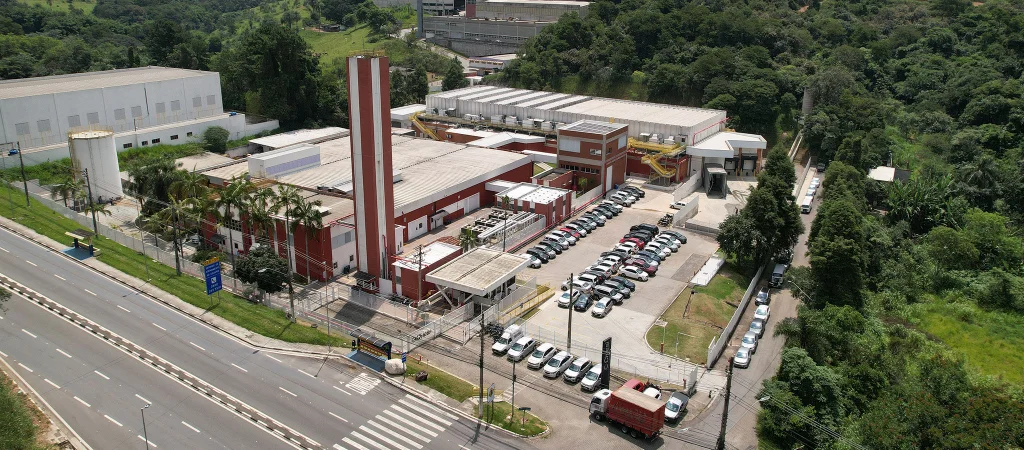
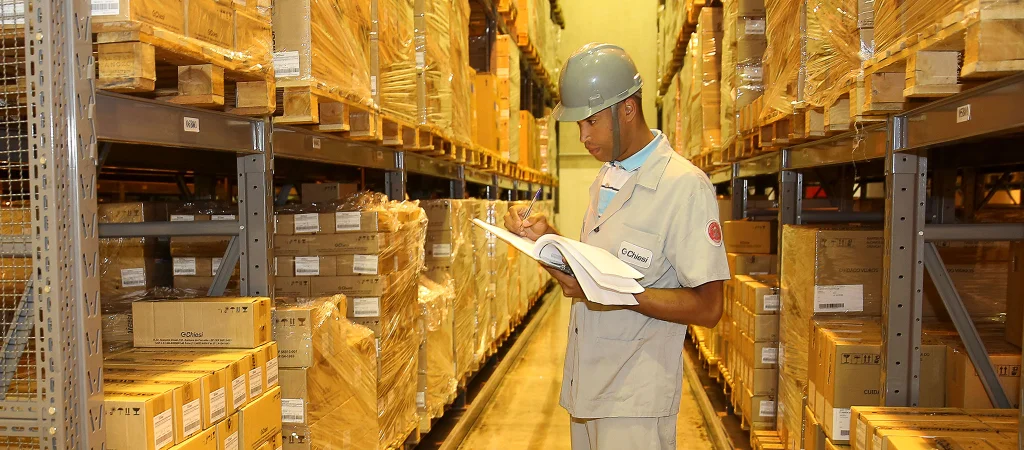
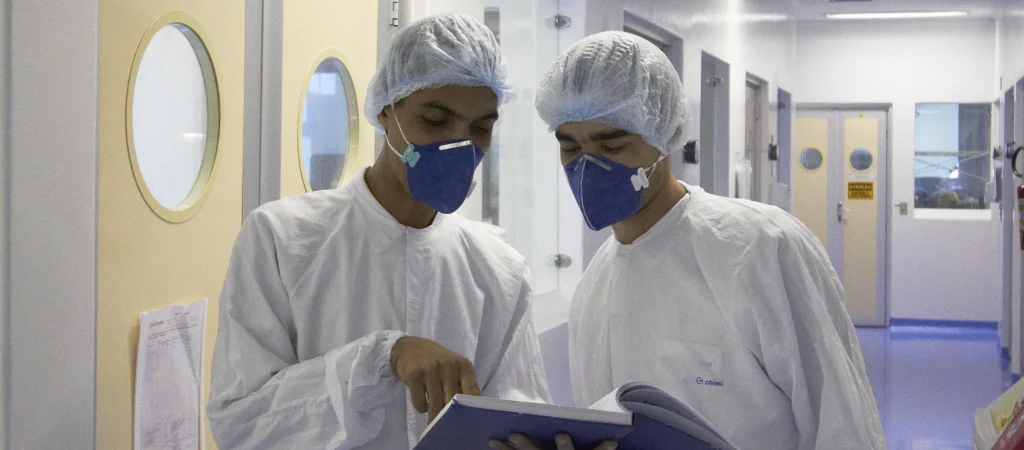
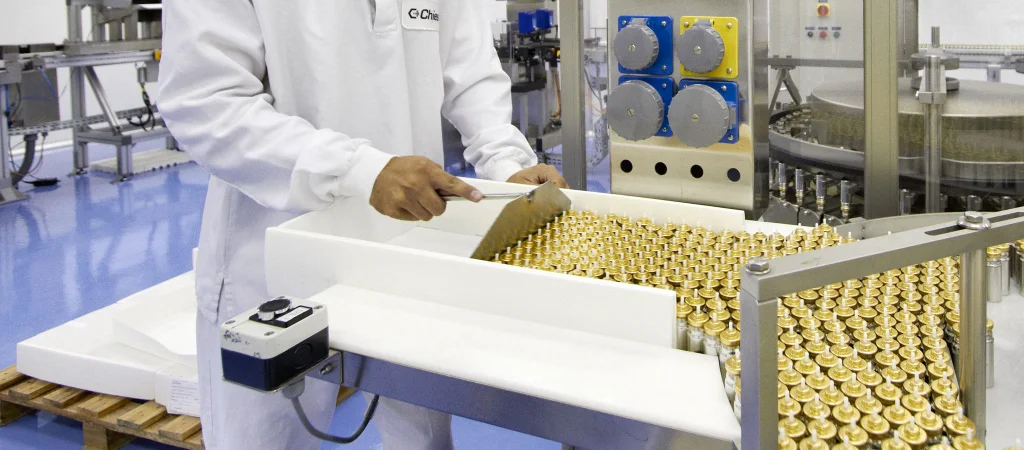
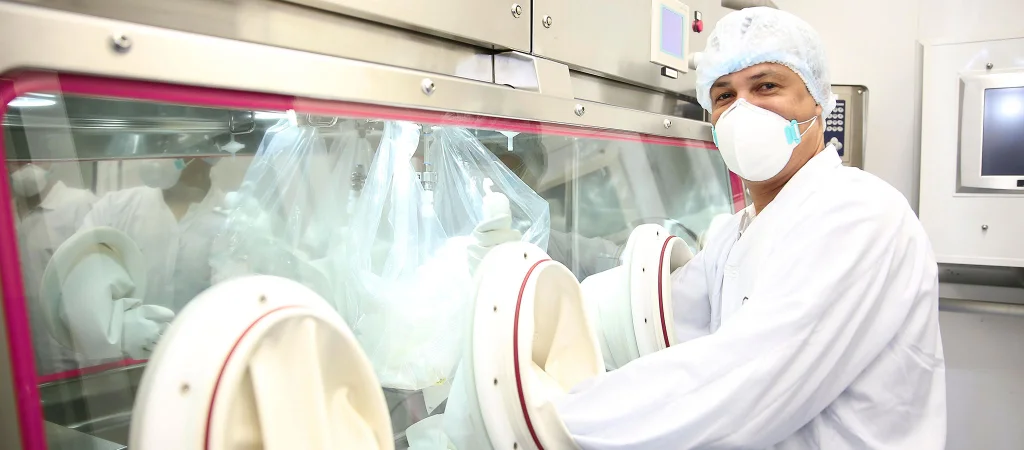
To understand what Brazil has become for Chiesi, you have to leave São Paulo behind and head north-west to Santana de Parnaíba, a town on the Tietê river. Here, in 1981, Chiesi began manufacturing in Brazil, on a street that now carries its founder’s name: Rua Giacomo Chiesi. Today the site makes inhaled, solid and liquid medicines, and Chiesi in Brazil now employs 400 people in Brazil.

When climate becomes a health question
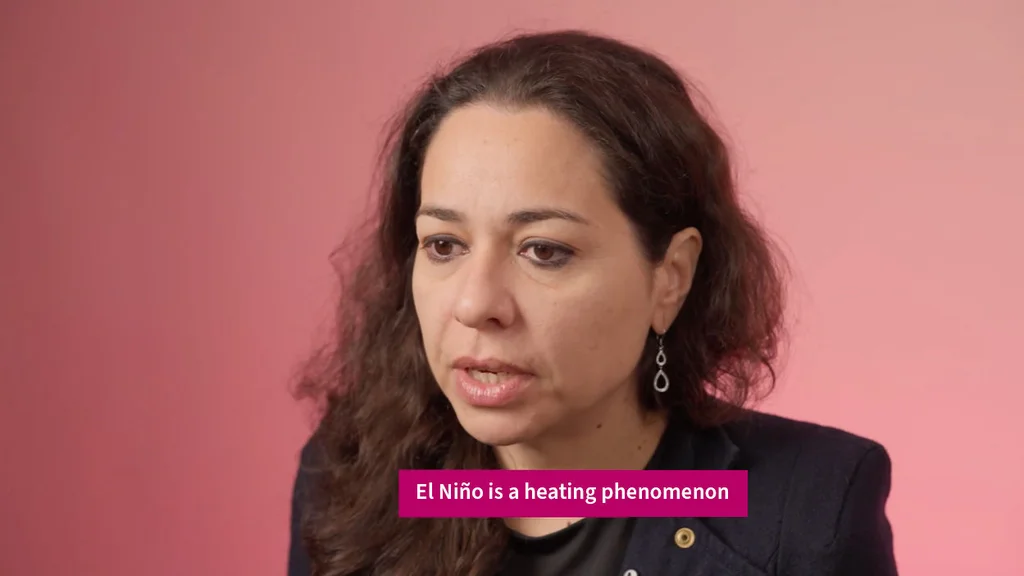
Santana de Parnaíba sits in a country where a changing climate is already shaping people’s health. Heat lingers longer than it once did, El Niño years can leave rivers in the north running low while the south floods, and warmer, wetter conditions have helped the mosquitoes that carry dengue reach further. For people living with respiratory conditions, the threat is also in the air: heat and drought help wildfires spread, and a nationwide study of more than two million hospital admissions between 2008 and 2018 found that waves of wildfire smoke were associated with a rise of around 23% in respiratory admissions in Brazil.
Watch below to see Patricia Ferrini, a health and air quality expert at the Brazilian non-profit Instituto Ar, explain what a changing climate means for people’s health in Brazil3.
When the treatment has a footprint
Many of those people rely on a small device made in Santana de Parnaíba: the pressurized metered-dose inhaler, or pMDI. Like the aerosol cans of 1976, it uses a propellant to deliver its medicine, and once again the propellant matters. From the 1990s, chlorofluorocarbons began to be phased out of pMDIs and replaced with hydrofluoroalkanes, or HFAs. The transition was led in Europe and later extended to other countries such as Brazil, where Chiesi’s site had begun switching from CFC to HFA inhalers by 2007–2008 and completed the transition by 2010–2011. The change protected the ozone layer but left another problem: HFAs are still potent greenhouse gases, released with every puff. For Chiesi, inhalers account for around 70% of the Group's emissions4.
That raises a question for healthcare: how do you reduce the environmental footprint of treatment without compromising the care patients need?
Chiesi’s Carbon Minimal Inhaler program starts from that dilemma. The company is moving its pMDIs to HFA-152a, a next-generation propellant with a much lower global warming potential and expects this to cut their carbon footprint by up to 90% compared with its current products, bringing it to the level of dry powder inhalers, without compromising clinical choice or continuity of care.
“No patient should have to choose between health and environmental sustainability”
Maria Paola Chiesi, Group Chair
The factory’s next job
Back on Rua Giacomo Chiesi, the factory that began making medicines in 1981 is preparing for its next change. Because a new propellant affects how each medicine is formulated and delivered, the transition moves medicine by medicine and country by country, through Chiesi’s sites in Italy and France and a partner in the UK. Brazil is now part of it: the Group is investing €20 million (R$124 million) so that Santana de Parnaíba can produce Carbon Minimal Inhalers, with around 31% of its output expected to go abroad, mostly to other countries in Latin America.
Fifty years after Brazil became the place where Chiesi first learned to work beyond Italy, it is helping the company take its next step. That step starts with an object small enough to hold in one hand, yet so much depends on it – many people’s everyday treatment, and most of the Group’s emissions – that changing what is inside it has become one of the most significant steps in Chiesi’s journey to net zero.
Chiesi in Brazil

Gallery


Our progress in Brazil
Chiesi takes its first step outside Italy, in Brazil
Manufacturing begins in Santana de Parnaíba (São Paulo)
Chiesi in Brazil enters neonatology with a treatment for respiratory distress syndrome in premature babies
Chiesi in Brazil invests in a production line for both CFC and HFA inhalers
First Great Place to Work certification, renewed in 2021, 2023 and 2025
Expansion into rare diseases with the launch of a treatment for alpha-mannosidosis
Santana de Parnaíba factory earns LEED Silver certification for sustainable construction and operation
Chiesi in Brazil celebrates 50 years and announces a €20 million (R$124 million) investment to bring Carbon Minimal Inhaler technology to Brazil
Explore more

References
1 US National Academy of Sciences (1976), Halocarbons: Effects on Stratospheric Ozone
2 IPCC (2021), Sixth Assessment Report, Working Group I, Chapter 7 (global warming potential values)
3Requia WJ, Amini H, Mukherjee R, Gold DR, Schwartz JD. Health impacts of wildfire-related air pollution in Brazil: a nationwide study of more than 2 million hospital admissions between 2008 and 2018. Nature Communications 12, 6555 (2021). DOI: 10.1038/s41467-021-26822-7. World Meteorological Organization (2024), State of the Climate in Latin America and the Caribbean 2023; IPCC (2022), Sixth Assessment Report, Working Group II, Chapter 12: Central and South America
4 Chiesi Group Sustainability Report 2025; Chiesi Group Annual Report 2007
5 2025 Chiesi Group Economic Footprint study