

Specialty Care
We support people at some of the most critical moments in their life – when care is urgent, complex and often lifelong. From the first breath of a premature baby and cardiovascular emergencies, to the ongoing journey of organ transplantation and the everyday self-care and health management, our focus is helping people and their caregivers navigate these moments with better outcomes and support.
At Chiesi, our ambition is to close gaps in diagnosis, patient support, education and access to care by extending impact beyond treatment. We combine decades of scientific innovation and expertise across Neonatology, Transplant, (Cardiovascular) Critical Care and Consumer Healthcare with a holistic, patient-centered approach that helps us better understand the needs of patients and their caregivers.
Care that only reaches established healthcare systems is not enough. Through global health programs and sustainable partnerships, we work to ensure that scientific progress translates into real access for underserved communities around the world.
Our work in Speciality Care combines products and services that support the care provided by medical professionals and over-the-counter products. In particular, we provide support for:

Neonatology
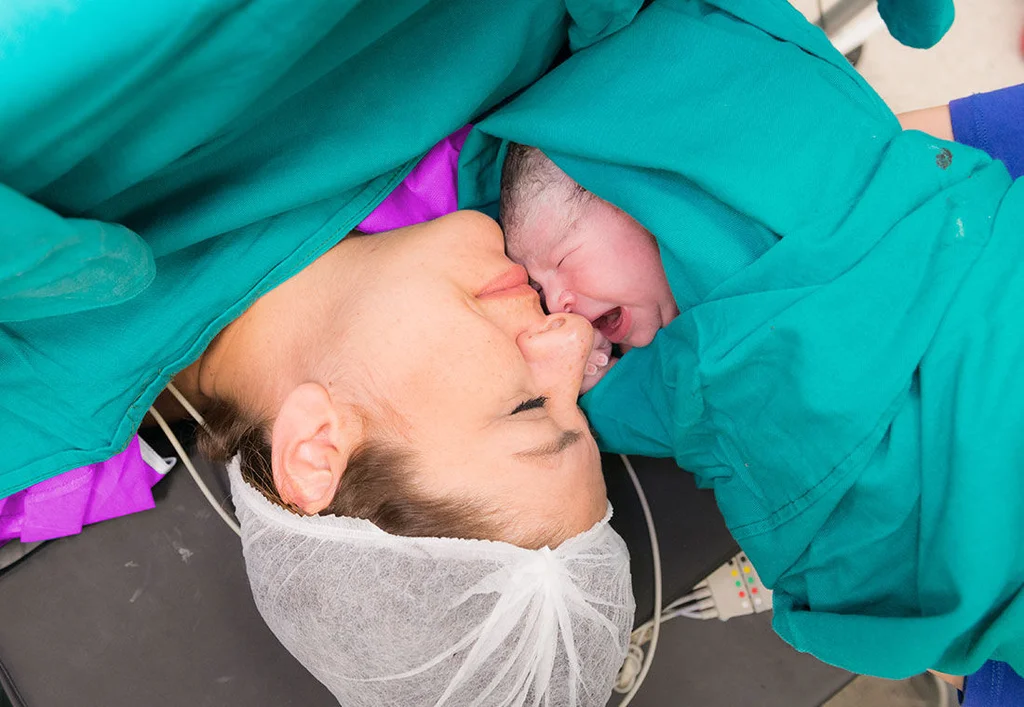
Premature birth is when babies are born before the complete 37 weeks of pregnancy, and is the leading cause of death in children under the age of five.(1) Depending on how early, premature birth often leads to underdeveloped organs – particularly the lungs – and an increased risk of serious complications.(1)
We support the care of premature newborns in nearly 100 countries worldwide. Our long-standing expertise in neonatal respiratory care is complemented by healthcare professional training initiatives that strengthen local clinical capacity and help improve outcomes for vulnerable infants. Beyond treatment, our global health initiatives aim to expand access to life-saving neonatal care in underserved regions.
Transplant (Specialty Care)
Organ transplantation is a life-saving intervention for people with end-stage organ failure(4): a condition where the organ can no longer perform its essential functions, threatening both quality of life and survival. Once transplanted, patients face a lifelong challenge: preventing rejection, through careful treatment that must balance protecting the new organ with keeping the patient healthy.
We support transplant patients by focusing on long-term graft protection and continuity of care. Our approach combines specialized therapies with education and collaboration with healthcare professionals and patient communities. By working across the full transplant journey – from hospital care to long-term management – we aim to improve outcomes and quality of life for every patient we reach.

Consumer Healthcare
Everyday health challenges – such as sleep disturbances, digestive discomfort or immune support – can significantly affect quality of life, even when they do not require hospital-based care(5,6). Left unaddressed, they erode wellbeing in ways that are easy to overlook.
We support people in managing their daily wellbeing through accessible consumer healthcare solutions that are natural, reliable and within reach. By extending trusted care beyond clinical environments, we help individuals take an active role in their health – supporting prevention, resilience and long-term wellbeing.

Cardiovascular Critical Care (Specialty Care)
Cardiovascular diseases (CVDs) are the leading cause of death globally responsible for approximately 32% of all global deaths in 2022.(3) These conditions often require urgent, hospital-based intervention and are followed by complex, ongoing management.(7)
We support urgent hospital-based CVD care, helping patients and healthcare professionals in acute and critical care settings, where timely intervention is often lifesaving. Our focus is on providing and contributing to effective and efficient care pathways that improve patient outcomes in emergency cardiovascular events.











Chiesi appoints David Khougazian as Group Chief Executive Officer to lead the next phase of innovation-driven growth
Highlights: David Khougazian appointed Group Chief Executive Officer to lead Chiesi's next phase of innovation-driven growth, effective 15 October 2026. Bringing over 25 years of international healthcare leadership experience and a strong track record in innovation and transformation, David joins…

Chiesi Group delivers solid H1 2026 performance, combining growth, continued investment in innovation and positive economic impact across communities
HIGHLIGHTS H1 2026 revenues of €1.89 billion, up + 3.6% at CER versus H1 2025, driven by growth in the inhaled triple therapy portfolio and strong momentum in the rare diseases therapeutic area Continued investment in innovation with €426 million invested in R&D (22.5% of sales) Completed strategic…

Chiesi advances its Carbon Minimal Inhaler journey as European submissions for its Single Inhaler Triple Therapy (SITT) and ICS/LABA combination next-generation propellant pMDIs are validated
Key Highlights Regulatory submissions for next-generation propellant pMDIs (pressurized metered-dose inhalers) across Chiesi’s Single Inhaler Triple Therapy (SITT; or ICS/LABA/LAMA) and fixed double ICS/LABA combination (inhaled corticosteroid with a long-acting bronchodilator) range have been…

Chiesi receives European Marketing Authorisation for its Single Inhaler Triple Therapy delivered via NEXThaler® for the maintenance treatment of Asthma
Key Highlights This European Authorisation reinforces Chiesi’s commitment to provide a broad range of formulations and devices to asthma patients. NEXThaler® is a dry powder inhaler (DPI), specifically designed for Chiesi’s extrafine formulations. With the addition of the DPI in the asthma…

Chiesi Global Rare Diseases Announces European Commission Approval of LOJUXTA® (lomitapide) ▼ Capsules for Paediatric Use in Homozygous Familial Hypercholesterolaemia (HoFH)
PARMA, Italy – June 5, 2026 – Chiesi Global Rare Diseases, a business unit of the Chiesi Group established to deliver innovative therapies and solutions for people living with rare diseases, today announced that the European Commission (EC) has approved lomitapide capsules for use in children 5…

Chiesi completes the KalVista acquisition
Parma, Italy and Framingham, Mass., USA – 11 June, 2026 – Chiesi Group (“Chiesi”), an international research-focused biopharmaceutical group and certified B Corp, today announced the completion of its acquisition of KalVista Pharmaceuticals, Inc. (“KalVista”). KalVista is now part of Chiesi Group…

Chiesi Group Announces New Chair and Vice Chair
Highlights: Planned transition in the Chair and Vice Chair roles reflects the Chiesi family’s long-term commitment to continuity, shared value and responsible governance across generations Maria Paola Chiesi is appointed Chair, the first woman in this role; aims to reinforce sustainability as an…

Chiesi to acquire KalVista Pharmaceuticals
Highlights: Chiesi agreed to acquire KalVista Pharmaceuticals for $27.00 per share in cash, representing an equity consideration of approximately $1.9bn Acquisition adds to Chiesi’s rare immunology portfolio the first oral, on-demand therapy for hereditary angioedema, strengthening Chiesi’s…

Chiesi's FY2025 results and a leadership transition
Highlights: Strong FY2025 financial and sustainability results; leadership transition will support continuity and long-term growth Revenue up 8.2% to €3.6bn with double-digit growth in Rare Diseases and U.S. market Air sales at €1.886bn, growing 3.9% vs. 2024 - Care sales at €904m growing 13.3% vs.…

Chiesi selects Salesforce Agentforce Life Sciences
International biopharmaceutical leader accelerates digital transformation with AI-powered customer engagement, unified data, and next-generation integration capabilities APRIL 20, 2026 – Chiesi Group, an international biopharmaceutical group, has selected Salesforce’s Agentforce Life Sciences for…
References
1 World Health Organization. Preterm birth: https://www.who.int/news-room/fact-sheets/detail/preterm-birth/
2 Organ Donation Alliance. International Report on Organ Donation and Transplantation Activities: https://www.organdonationalliance.org/wp-content/uploads/2024/12/2023-data-global-report-17122024.pdf
3 World Health Organization. Cardiovascular diseases (CVDs): https://www.who.int/news-room/fact-sheets/detail/cardiovascular-diseases-%28cvds%29
4 Li X, et al. Organ Transplantation: Current Status, Challenges, and Future Prospects. MedComm (2020). 2026;7:e70567: https://onlinelibrary.wiley.com/doi/full/10.1002/mco2.70567?msockid=3575b0fc755e6b80159da7f074a76aba
5 Khanijow V, et al. Sleep Dysfunction and Gastrointestinal Diseases. Gastroenterol Hepatol (NY). 2015;11:817-825: https://europepmc.org/article/MED/27134599
6 Topan R & Scott SM. Sleep: An Overlooked Lifestyle Factor in Disorders of Gut-Brain Interaction. Curr Treat Op Gastroenterol. 2023;21:435-446: https://link.springer.com/article/10.1007/s11938-023-00433-1
7 Cook DJ, et al. Assessment and management of cardiovascular disease in the intensive care unit. Heart. 2022;108:397-405: https://heart.bmj.com/content/heartjnl/108/5/397.full.pdf