
Health Equity in Action
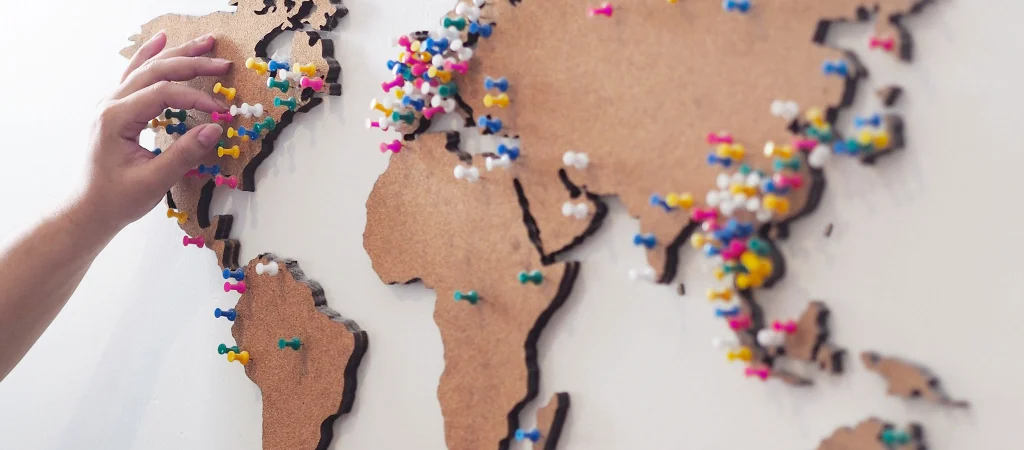
Health inequity does not look the same everywhere. The barriers people face depend on many things, from where they live and the care available around them to the resources and specialist expertise they can reach.
That is why our work takes different forms in different places. Together with partners, we support projects that respond to specific gaps in health and care, based on the needs and circumstances of the communities they serve.
The stories below are just a few examples of that work, showing how different the challenge, and the response, can be.
Bringing respiratory support closer to people in Greece
For people living with COPD, pulmonary rehabilitation can improve quality of life and support better long-term disease management. Yet awareness, referral and participation remain low across Europe, and access in Greece has historically been limited.
Working with the Hellenic Thoracic Society, a digital platform was developed to give patients access to pulmonary rehabilitation resources beyond clinical settings, so they can continue their rehabilitation journey closer to where they live.
Here, the issue is not the absence of care that can help, but the difficulty some people have in reaching and continuing that care.
Strengthening care at the very beginning of life in Brazil
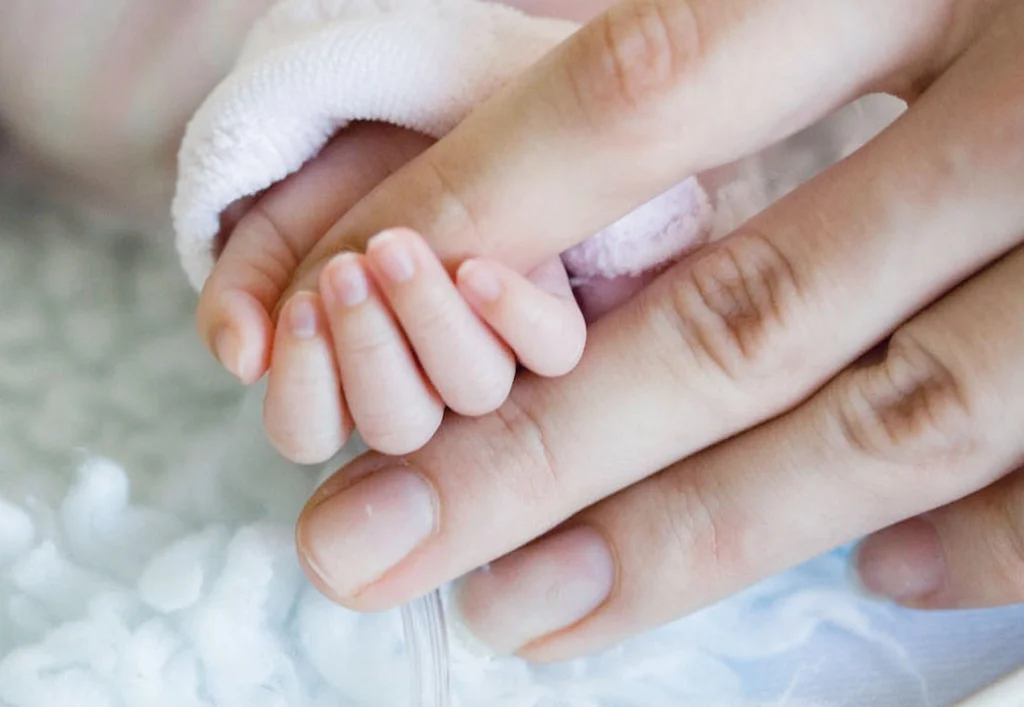
The first days of life can be among the most vulnerable, but the resources and expertise available to care for newborns are not the same everywhere.
In Roraima, a region of Brazil where healthcare and socioeconomic indicators remain below national averages, the NeoUP program focuses on strengthening neonatal care in a hospital serving a population of approximately 600,000 people. By supporting healthcare professionals and helping improve standards of care, the program aims to improve care for newborns at the start of their lives.
Here, addressing health inequity means strengthening the care available where children are born, so that geography does not have to play such a large part in the care they receive.
Helping shorten the search for a rare disease diagnosis in Colombia
For many people living with a rare disease, receiving a diagnosis can take years. For those living in rural communities, where specialist expertise may be harder to reach, the wait can be longer still.
In Colombia, data analysis and machine learning are being used to help healthcare professionals identify potential cases of Epidermolysis Bullosa, including people who might otherwise remain undiagnosed, helping them reach an earlier diagnosis and care.
The technology is new, but the problem it is trying to solve is very human: before someone can receive the right care, they first need to know what they are living with.
Part of a much bigger picture
These are only a few examples of the health equity projects we support around the world. The barriers they address are different, and so are the people, communities and healthcare systems involved.
What connects this work is not a single model or solution, but a way of looking at the problem: understanding what is preventing people from having a fairer opportunity for better health and working with others who can help address it.
References
1 J PERS MED 2022 Dec 2;12(12):1997. doi: 10.3390/jpm12121997: https://www.mdpi.com/2075-4426/12/12/1997
2 Patients' perspective on pulmonary rehabilitation: experiences of European and American individuals: https://publications.ersnet.org/content/erjor/4/4/00085-2018.full.pdf