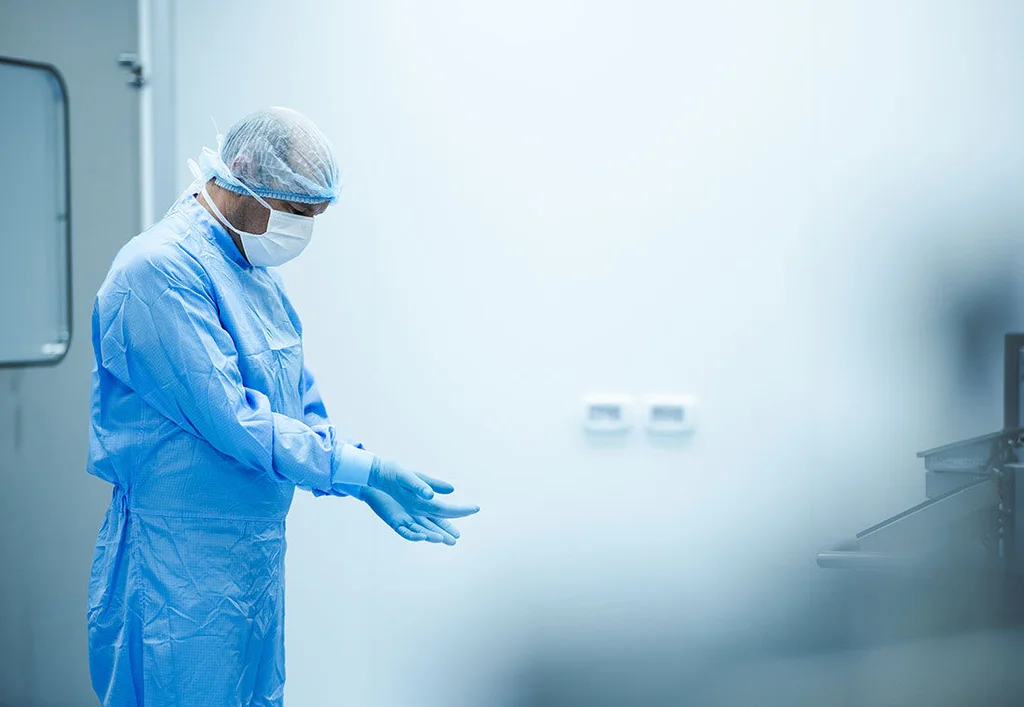
Inside our Biotech Centre of Excellence

Ask a biomanufacturing engineer to explain their job to a non-scientist, and many reach for a kitchen metaphor as every biologic therapy starts as a recipe: a starting culture, a defined process, exact parameters and trained hands. The difference is that the “ingredients” are living cells, the “kitchen” costs hundreds of millions of euros, and a mistake isn't a ruined dinner but a delay for someone who does not have time to wait.
Inside Chiesi's Biotech Center, the recipe often starts with Chinese Hamster Ovary (CHO) cells, the workhorse of modern biologics manufacturing, grown in single-use bioreactors that range from 250 liters up to 2,000. The scale isn't incidental; it's the point. Smaller reactors suit the smaller batches that rare-disease medicines typically require while larger ones leave room for a broader portfolio later. Almost everything that touches the drug substance at this stage - bags, tubing, connectors - is used once and discarded, which sounds wasteful until you understand what it replaces: stainless-steel tanks that must be cleaned, sterilized and requalified between every run, at a cost in water, chemicals and contamination risk that single-use systems largely design away.
The distance between a discovery and a patient
Scaling up a biologic is rarely a straight line, because a process that behaves predictably in the laboratory can change inside a 2,000-litre bioreactor as temperature, mixing, oxygen, materials and the condition of the cells begin to interact differently. Solving these problems requires process development, manufacturing, quality and regulatory specialists to work closely together, so that what is learned at scale can quickly inform the process developed in the laboratory.
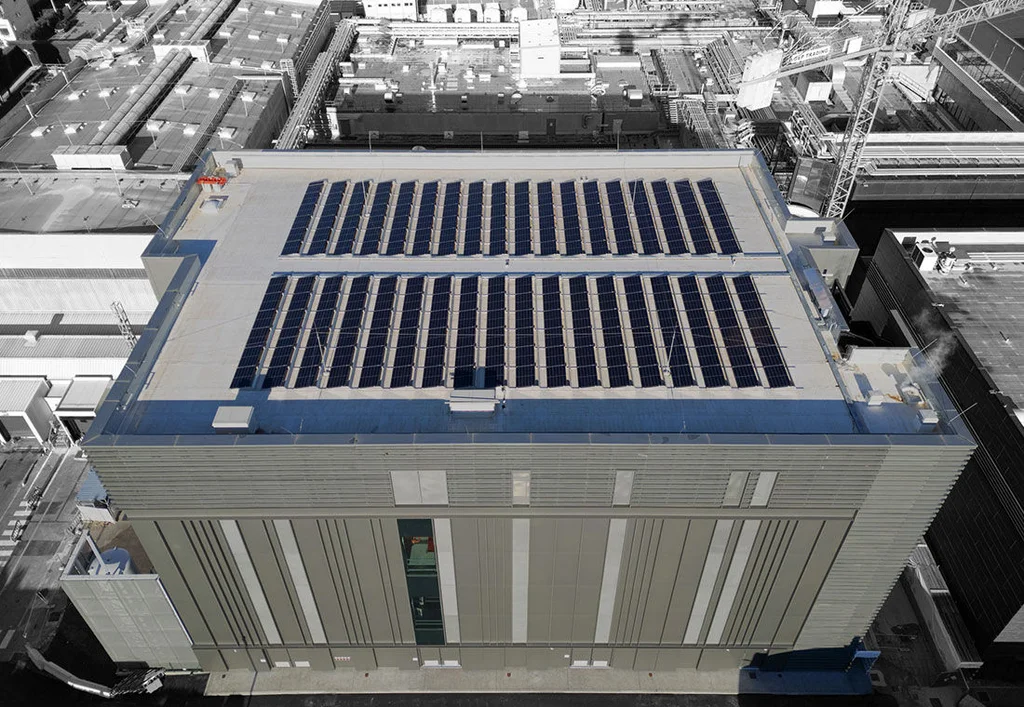
This is also the basis of technology transfer, through which not only a laboratory method but the knowledge behind which parameters matter, how variability is detected and what evidence is needed to demonstrate consistent quality is translated into a controlled and reproducible manufacturing process. Chiesi’s approximately €400 million Biotech Centre of Excellence in Parma brings these capabilities together across the biologics chain, from an engineered cell to a finished, labelled vial, reducing the organizational and geographical handovers that can make this transition more complex.
When the batch is small and the stakes are enormous
There's a quiet, structural fact at the center of rare-disease medicine: the smaller a patient population, the more a therapy needs manufacturing capacity built specifically around it. While global manufacturing networks are optimized for scale, a therapy that will be needed by a few thousand people calls for a different kind of attention and here is where resilience stops being a strategy slide and becomes personal. For a family managing a rare metabolic condition, a manufacturing decision made two years earlier is the difference between a treatment arriving on schedule and a treatment simply not arriving.
In its first year of operation, the Biotech Center began validating production of a treatment for lipodystrophy, a rare metabolic disorder characterized by severe leptin deficiency and life-threatening metabolic complications. It's a small case, in industrial terms. Everything about it - the volumes, the specificity, the technical groundwork behind a single validated batch - is precisely the kind of work that rarely makes headlines but changes outcomes for the people who need it.
The people who make biology repeatable
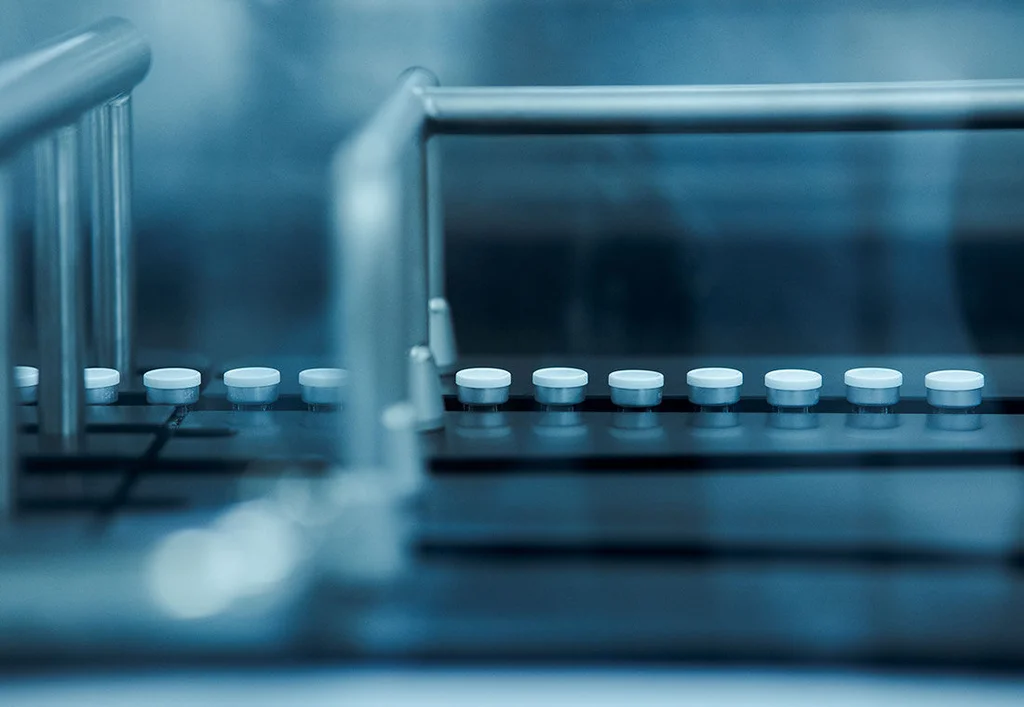
A Biotech is also a story about the approximately 200 specialists who operate it: bioprocess scientists, cell-culture specialists, data scientists interpreting process signals in real time, automation and quality engineers, regulatory specialists and manufacturing technicians working in disciplines that barely existed as career paths a generation ago.
Much of their most valuable knowledge is difficult to capture in a manual. It lies in recognizing how a cell line behaves, which process signals suggest emerging variability, and why a parameter that looks minor can alter the performance of an entire batch. Keeping those skills connected across development, manufacturing and quality allows knowledge to accumulate.
These are among the most technically demanding and least visible roles in European life sciences. A cell-culture specialist helps keep a living manufacturing system stable at industrial scale. A quality engineer can be the final line of defense between a manufacturing decision and a patient who will never know their name.