
World Prematurity Day: The long journey
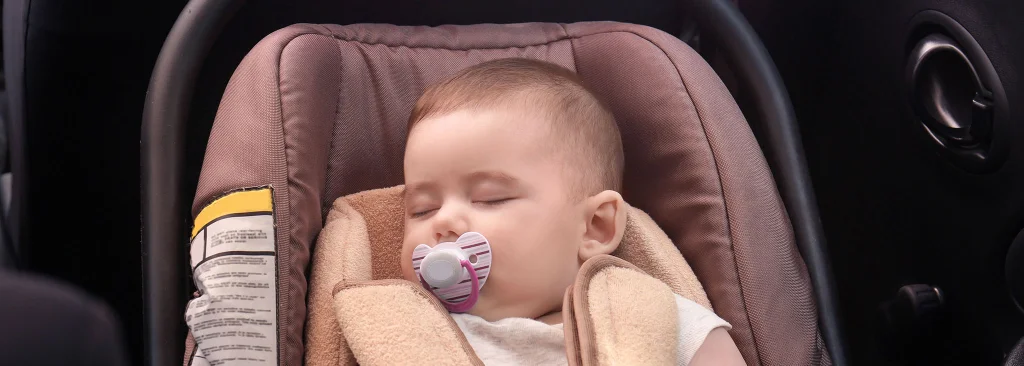
Prematurity lasts a lifetime
Premature birth does not always end when a baby leaves the hospital. For many children born preterm, the journey of care can continue over time and involve families, healthcare professionals, and healthcare systems long after the first months of life.
The Long Journey reframes prematurity as a care pathway: early neonatal care, family support, clinical history, follow-up, long-term respiratory health, economic burden, and global access to care.
By making these stages more visible, Chiesi aims to support a broader understanding of prematurity across different parts of the world:
in high-income countries, where the challenge is often in the continuity of care over time, and in low- and middle-income countries, where the main challenge may still be access to essential neonatal medicines at the very beginning.
Real-world evidence makes the hidden cost visible
Prematurity can carry hidden costs long after discharge. Real-world evidence on preterm infants with neonatal respiratory distress syndrome shows how respiratory outcomes, healthcare resource use, and economic impact can continue beyond hospitalization at birth.
Looking at this evidence means seeing prematurity not only as a neonatal event, but as a journey that can affect children, families, and healthcare systems over time.3
World Prematurity Day
From the continuity of care to the first mile
Aware of the huge inequalities in access to appropriate care in resource-constrained settings, Chiesi wants to be part of the change in bridging gaps to reduce the burden of neonatal mortality. Through its Global Health approach, Chiesi focuses on increasing access to quality treatments for premature newborns and their families in Sub-Saharan African countries.
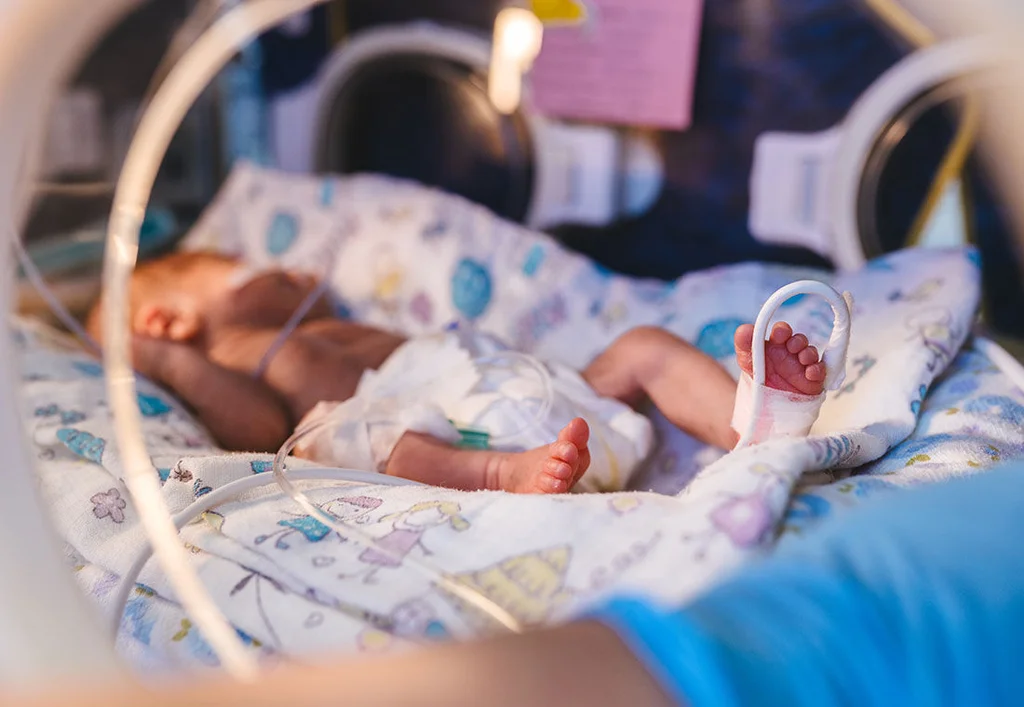
World Prematurity Day
The first mile
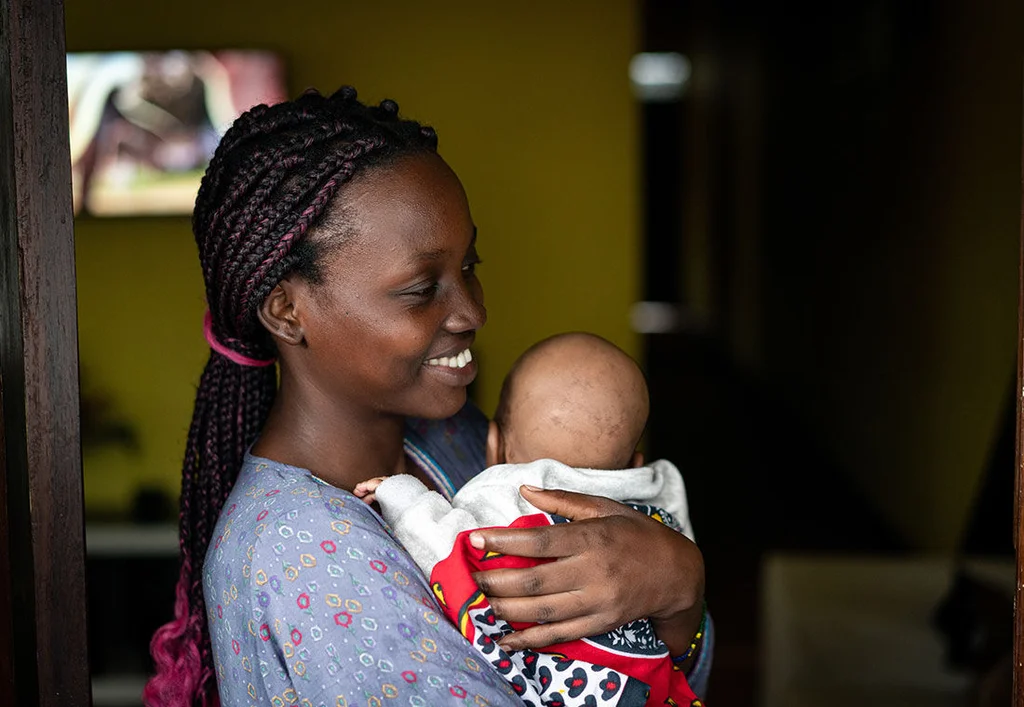
Chiesi aims to do this through a sustainable model designed to support the long-term accessibility and availability of life-saving neonatal medicines, while reinvesting in system readiness programs, including training and education for healthcare professionals, to help strengthen local healthcare systems.
To ensure more equitable access and broader impact, collaboration is essential. Chiesi works with local governments, clinical communities, parent associations, multilateral organizations, NGOs, and international donors: every newborn counts, everywhere, and together we can make a difference.
References
1 Bush A, Greenough A, Agustí A, et al. Falling through the cracks: what happens to survivors of preterm birth?. ERJ Open Res 2024; in press https://doi.org/10.1183/23120541.00643-2024
2 Silke Mader, Lauren Ingledow, Laura Costa, Ulrica Scaffidi, Argentina, Federico Bianco, Xabier Murgia, Anna Lavizzari, Daiana Stolz, Alberto Papi, Alvar Agustí, Eugenio Baraldi Insights into the Healthcare Journey of Preterm-Born Adults with Obstructive Respiratory Disease: The EMPOWER survey
3 Value in Health, “Real-World Long-Term Clinical and Economic Outcomes of Preterm Infants with Neonatal Respiratory Distress Syndrome in the United States.”