
Every newborn counts. Every breath matters.
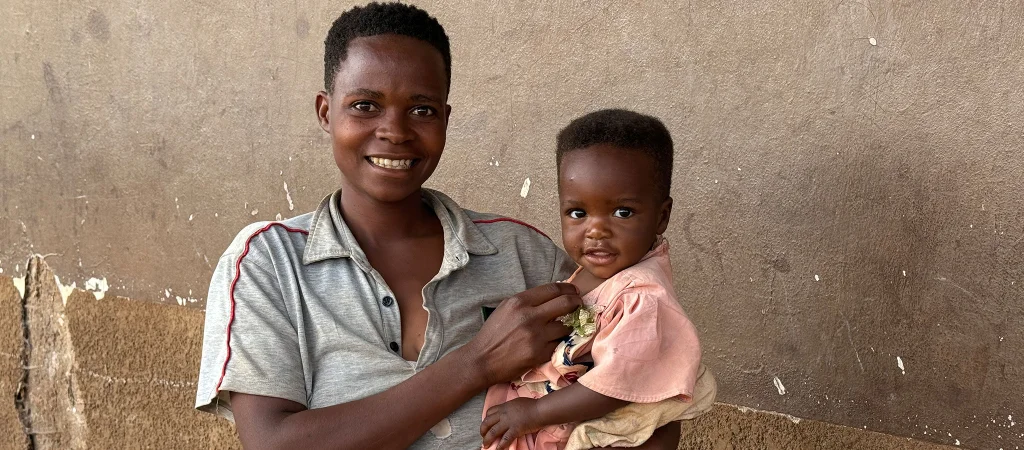
When Akiza Ndibanje Josh Mathis Qadesh was born in Burundi, his future was uncertain. Born after a difficult delivery, he suffered severe birth asphyxia and arrived in the neonatal unit in critical condition. Doctors, nurses and midwives worked together to stabilize him, while his mother and father remained at his side, trusting the team through every setback and every small sign of progress.
In the days that followed, Akiza faced seizures, respiratory complications, physiological jaundice and other serious conditions requiring continuous care. Yet thanks to the coordinated efforts of healthcare professionals and the active involvement of his family, he gradually began to recover. Today, at nearly one year of age, Akiza is growing up with good neurological development and no psychomotor delay.
His story is a reminder of something simple but powerful: access to quality healthcare can change the course of a life. And it is stories like his that help explain why the Paolo Chiesi Foundation exists.
A journey that began with a simple belief
Twenty years ago, the Foundation was created from the conviction that healthcare should be accessible to everyone. Established in 2005 as a corporate foundation, it represented Chiesi's commitment to transforming social responsibility into concrete action. Through scientific research and international cooperation, the Foundation began supporting projects aimed at improving health outcomes and expanding access to care.
Over time, however, its journey evolved. Working alongside healthcare professionals, hospitals, institutions and local communities across the Global South, the Foundation developed a broader vision: not simply supporting individual initiatives but contributing to stronger and more sustainable healthcare systems.
That evolution reached an important milestone in September 2025. On the occasion of its twentieth anniversary, the organization became the Paolo Chiesi Foundation, honoring its founder and first President, Paolo Chiesi. More than a name change, it marked the transition from a corporate foundation to a family foundation, reinforcing a long-term commitment built on relationships, trust and shared responsibility, free from operational or strategic constraints tied to the Group's activities. Today, the Foundation continues to invest in lasting solutions that help communities address health challenges by prioritizing continuity, concrete impact, collaboration, and the sharing of responsibility and knowledge.
Giving newborns a better start
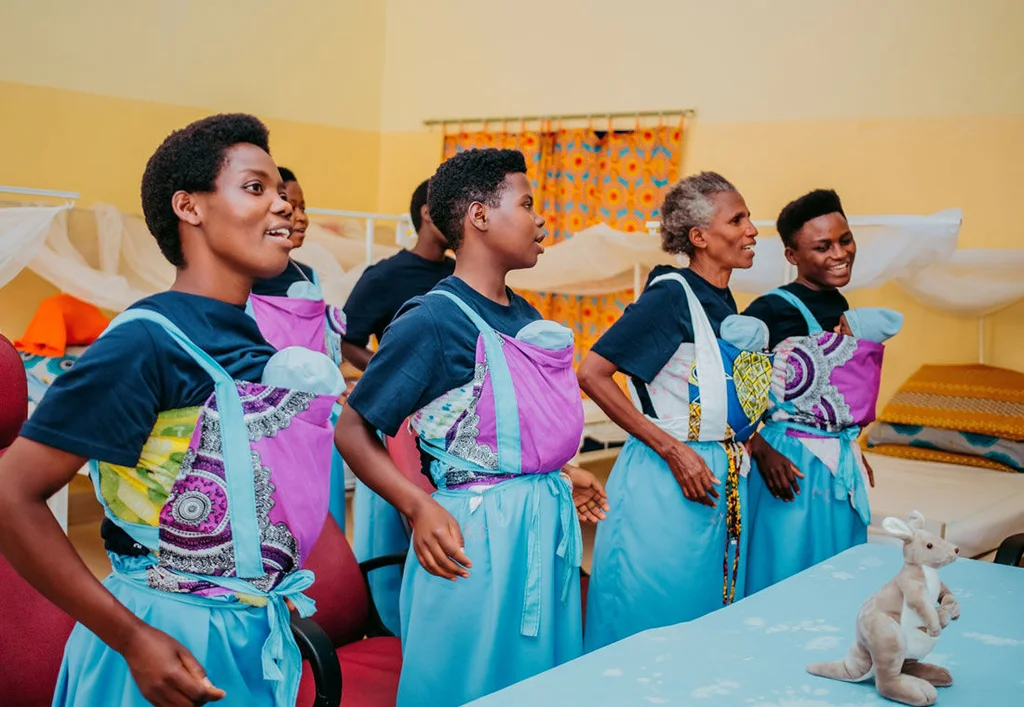
Akiza's journey highlights a fundamental lesson: improving health outcomes is rarely about a single intervention. It requires trained healthcare professionals, effective clinical pathways, access to appropriate equipment, continuity of care and the active participation of families.
This integrated approach lies at the heart of the Foundation's NEST Model (Neonatal Essentials for Survival and Thriving), which works alongside hospitals, NGOs, institutions, and universities to strengthen neonatal care in sub-Saharan African countries.
By recognizing barriers to accessing quality neonatal care, analyzing them, and identifying appropriate, sustainable solutions that combine training, improvements in clinical practice, data collection, and family-centered care, the model helps create the conditions for more newborns to survive and thrive.
The impact extends far beyond individual cases. Every newborn supported represents a family given greater hope, healthcare professionals equipped with stronger skills, and hospitals better prepared to respond when every minute matters.
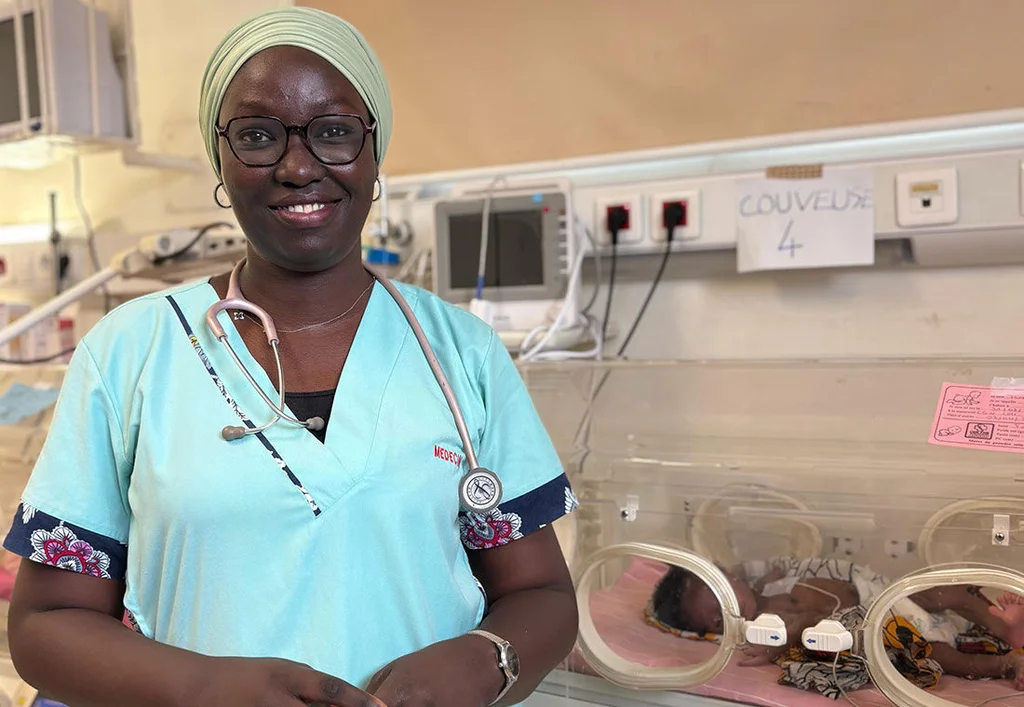
"Improving skills means improving care. Even small changes make a difference for patients."
Luz Mónica Albi Alcca, Nurse, Antonio Lorena Hospital, Peru
Building stronger systems, one partnership at a time
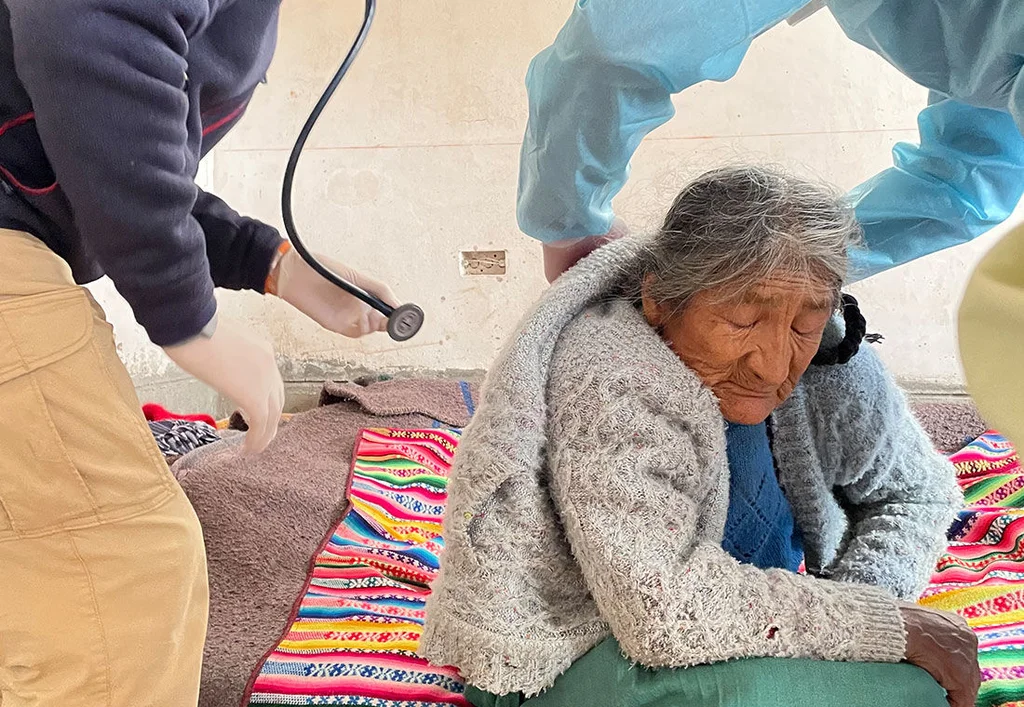
Luz's experience reflects the vision behind the Foundation's GASP Model (Global Access to Sustainable Pulmonology). Rather than focusing solely on individual patients, the model helps strengthen local capacity to diagnose, manage, and treat chronic respiratory diseases such as asthma and COPD. Through partnerships with healthcare institutions, professionals, patient groups, and local communities, it promotes a more integrated and sustainable approach to respiratory health.
By investing in healthcare professionals, diagnostic capabilities, disease management pathways, and community awareness, the Foundation supports the development of stronger respiratory care systems. At the same time, educational initiatives help patients and communities better understand chronic respiratory conditions, encouraging earlier diagnosis, improved adherence to treatment, and greater engagement in their own care. This creates a replicable model that combines clinical expertise, patient empowerment, and local ownership, enabling healthcare systems to continue generating impact long after individual projects are completed.
Behind every trained healthcare professional is a stronger health system. Behind every informed patient is a community better equipped to care for respiratory health. And behind every strengthened health system are thousands of people who can access better care.
Looking ahead
Twenty years after its creation, the Paolo Chiesi Foundation continues to evolve. What has changed over time is not its purpose, but its perspective. From its origins as a corporate foundation to its evolution into a family foundation, the organization has expanded its reach while remaining rooted in the same belief that inspired its creation: healthcare is a fundamental right.
Today, that commitment lives in the partnerships it builds, the communities it supports and the people whose lives it touches every day. In a newborn who gets the chance to grow up. In a nurse empowered with new knowledge. In a family that can face the future with greater confidence. And in the shared conviction that quality healthcare should never depend on where someone is born.